Dental Implants Bakersfield CA and Everyday Oral Hygiene Tips
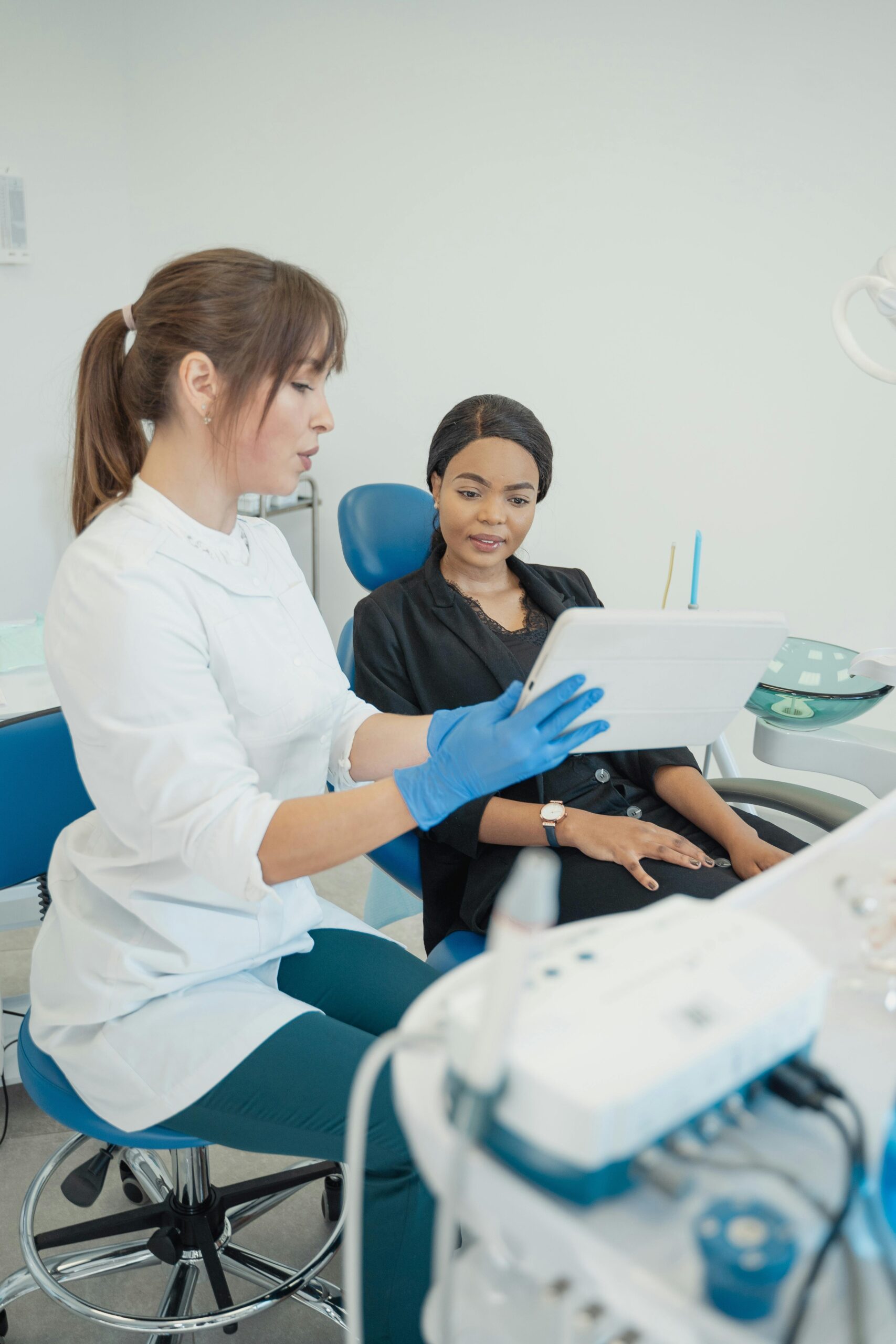
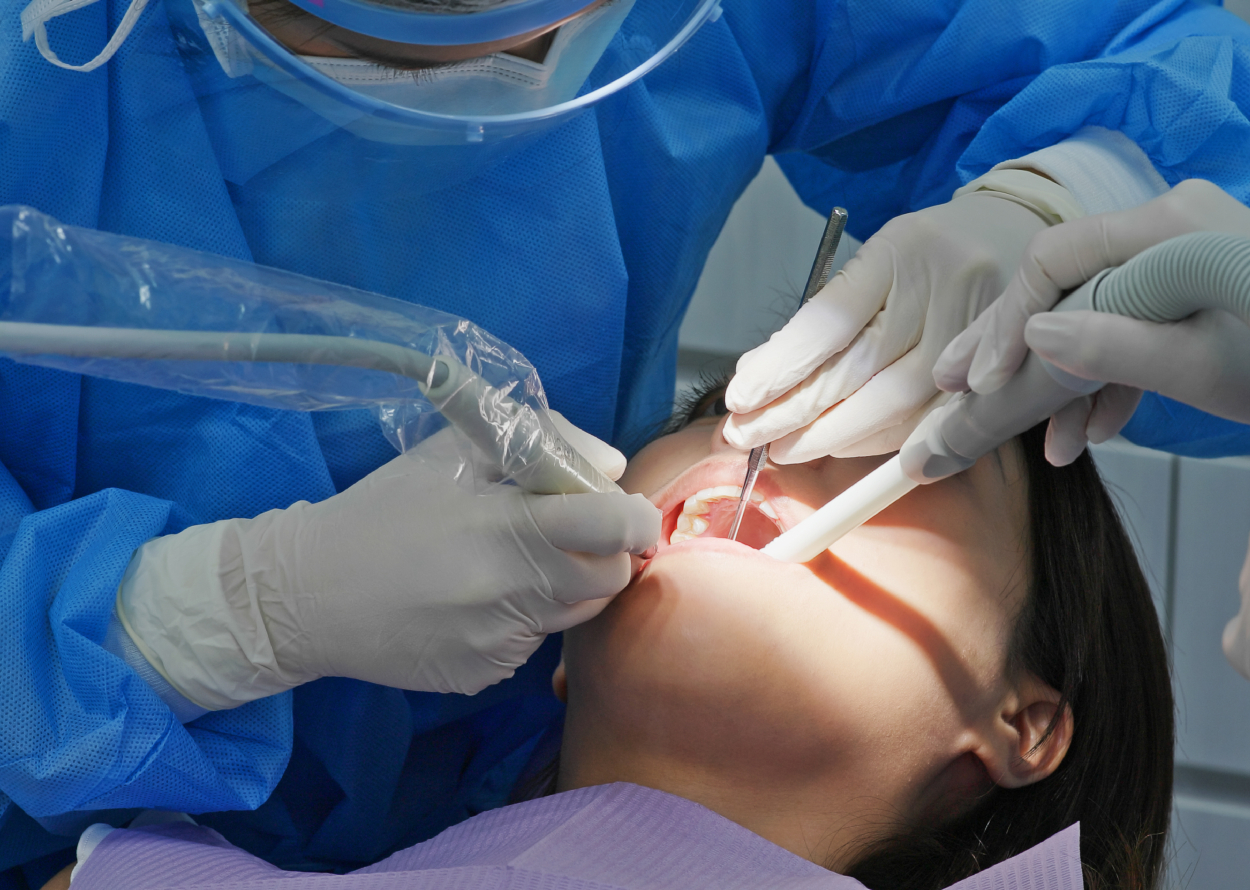

Tooth loss changes more than a smile. It affects how a person eats, speaks, cleans their mouth, and even how the jawbone holds its shape over time. That is one reason so many patients start looking into Dental Implants Bakersfield CA after years of struggling with a loose bridge, a removable partial, or a gap they tried to ignore. The appeal is easy to understand. Implants can feel stable, look natural, and help people return to ordinary habits without the constant reminder that a tooth is missing.
What often surprises patients is how much the long-term success of implants depends on very ordinary daily care. The procedure itself may be advanced, but the maintenance is not glamorous. It comes down to brushing carefully, cleaning around the gumline, showing up for routine exams, and noticing small changes before they become expensive problems. In practice, the people who do best with implants are rarely the ones chasing the fanciest gadgets. They are the ones who stay consistent.
Why implants change the oral hygiene conversation
A natural tooth and a dental implant do not fail in exactly the same way. A natural tooth can decay. An implant crown cannot get a cavity, but the tissue around the implant can still become inflamed. Plaque does not care whether it lands on enamel, porcelain, or titanium. If https://emiliolixj239.cavandoragh.org/understanding-bone-grafting-before-dental-implants-bakersfield-ca biofilm sits undisturbed around the gumline, it can trigger bleeding, tenderness, bone loss, and in more advanced cases, peri-implant disease.
That distinction matters. Some patients hear that an implant is made of metal and assume it is almost maintenance-free. In reality, implants require disciplined hygiene because the surrounding tissues need protection. An implant may replace a tooth, but it does not replace the need for healthy gums and healthy bone.
This is especially relevant in a dry, hot climate like Bakersfield, where dehydration can contribute to dry mouth for some people. Saliva plays a protective role in oral health. When patients spend long days outdoors, work in dusty conditions, or use medications that reduce saliva flow, plaque can become more stubborn and irritation more common. That does not mean implants are a poor choice. It means home care and regular evaluations matter even more.
What makes dental implants appealing for Bakersfield patients
People usually arrive at the implant conversation with a practical concern, not a theoretical one. They want to chew on both sides again. They want to stop hiding a space when they laugh. They want to replace a front tooth after trauma. They want to retire a lower denture that rocks around at dinner.
Implants solve several problems at once. They can support a single crown, several teeth, or in some cases a full-arch restoration. Because they are anchored in bone, they often provide a sense of security that removable options cannot match. Patients frequently describe the shift in simple terms: food tastes better when you can chew properly, speech feels more natural, and there is relief in not worrying that a denture will slip during a conversation.
There is also a structural benefit. When a tooth is lost, the bone in that area can begin to shrink over time. An implant helps stimulate the jaw in a way that more closely resembles a natural tooth root. That does not stop every possible change in bone anatomy, but it can help preserve support in the treated area.
The phrase Dental Implants Bakersfield CA often shows up in online searches because people want local solutions for a deeply personal issue. They are not just shopping for a procedure. They are trying to find a clinician who understands bite function, gum health, bone conditions, and the practical side of aftercare. Good implant treatment is not just placement. It is planning, restoration, maintenance, and follow-up.
The best oral hygiene habits are usually the least dramatic
Patients often ask whether they need a special ritual after implant treatment. The truthful answer is that most people need better basics, not a complicated routine. The goal is to disrupt plaque every day without traumatizing the gums or skipping hard-to-reach areas.
A soft-bristled toothbrush remains one of the best tools in the bathroom. Electric brushes can help many patients because the brushing action is consistent and efficient, especially for those with limited dexterity. What matters more than brand loyalty is whether the brush actually reaches the gumline. Quick, horizontal scrubbing tends to miss the margins where plaque builds. A slower approach, with the bristles angled gently toward the gumline, usually does more good.
Flossing around implants can be slightly different from flossing around natural teeth, depending on the type of restoration. A single implant crown may be straightforward. A bridge or implant-supported prosthesis can create spaces underneath that need threaders, specialty floss, or interdental brushes. This is where individualized instruction matters. What works beautifully for one patient can be awkward or ineffective for another.
Water flossers can be helpful, particularly for larger restorations or for patients who struggle with manual cleaning. They should not be treated as magic. They work best as part of a complete routine, not as a shortcut that replaces brushing. When used properly, they can improve comfort and flush food debris from areas that trap it.
Where people get into trouble
The most common mistakes are familiar. People brush the visible parts of the teeth and skip the gumline. They clean thoroughly for a week after a dental visit, then drift back into rushed habits. They ignore occasional bleeding because it does not hurt. They assume that if the implant feels solid, everything must be fine.
Peri-implant disease often starts quietly. A little puffiness around the gumline, a slight metallic taste, or blood when brushing can seem minor. Those details matter. Around a natural tooth, bleeding is a warning sign. Around an implant, it deserves the same respect. Waiting until there is pain is a poor strategy because inflammation can advance before a patient feels much discomfort.
Another issue is overconfidence with home remedies. Abrasive whitening pastes, overly stiff brushes, or aggressive scraping with improvised tools can irritate tissues and damage restorative surfaces. Precision beats force nearly every time in oral hygiene.
I have also seen patients underestimate the effect of clenching and grinding. Nighttime pressure may not be obvious, but it can strain implant restorations and natural teeth alike. If a patient wakes with jaw soreness, chipped porcelain, or flattened enamel, a night guard may become part of the maintenance picture. Hygiene and bite protection often go hand in hand.
A daily routine that holds up in real life
Most patients do not need a 20-minute process to maintain good implant hygiene. They need a routine they can repeat when life is busy, they are traveling, or they get home late from work.
A practical day usually looks like this:
- Brush twice a day with a soft toothbrush and fluoride toothpaste, spending extra time along the gumline around the implant crown or bridge.
- Clean between teeth and around the implant once a day using floss, a floss threader, or an interdental brush that fits properly.
- Rinse only if your dentist recommends it, especially if you are healing, prone to gum inflammation, or managing a higher-risk situation.
- Drink water regularly, particularly in hot weather or if medications leave your mouth dry.
- Keep routine professional cleanings and exams, because hardened deposits and subtle tissue changes are easier to manage early.
That routine is simple on paper, but consistency is where the benefit shows up. A patient who performs these steps reasonably well every day usually does far better than the patient who buys expensive products and uses them sporadically.
Choosing the right tools without overbuying
Dental aisles are crowded with products that promise cleaner teeth, whiter teeth, healthier gums, fresher breath, or all of the above. That can be useful, but it can also distract from the essentials.
For implants, the ideal tools are the ones that clean effectively while being gentle on the surrounding tissues and restoration materials. A soft manual brush is perfectly acceptable. An oscillating electric brush can be excellent. Interdental brushes are valuable if they are the right diameter. If they are too large, they can irritate tissues. If they are too small, they may glide through without removing much plaque.
Low-abrasion toothpaste is usually a sensible choice. Whitening formulas vary widely, and some can be harsher than patients realize. Since implant crowns do not whiten the way natural teeth do, aggressive whitening products can create uneven results while adding wear to adjacent enamel. That is one of those trade-offs patients rarely hear about until they notice the difference themselves.
Mouth rinses can help in selected situations, especially after surgery or during periods of inflammation, but they are support tools. They are not a substitute for mechanical cleaning. If a rinse stings, dries out the mouth, or encourages a patient to skip flossing, it is not helping the bigger picture.
Diet matters more than many patients expect
Implants are strong, but strength should not be confused with invincibility. Chewing ice, cracking nutshells, and using teeth as tools remain bad ideas. Restorations can chip, screws can loosen, and surrounding structures can be stressed by repeated abuse.
Daily eating habits also shape the bacterial environment around implants and natural teeth. Sticky carbohydrates cling to surfaces. Frequent snacking gives plaque bacteria repeated fuel. Sugary drinks sipped over several hours are harder on the mouth than many people realize. For patients with both implants and natural teeth, this matters doubly because the implant cannot decay, but neighboring teeth certainly can.
Dry mouth deserves attention here too. Patients who rely on energy drinks, excessive coffee, or alcohol while drinking too little water often notice more plaque accumulation and more gum irritation. Bakersfield summers can make that pattern worse. Good hydration does not replace brushing, but it supports the whole oral environment.
Healing after implant placement needs patience, not bravado
After surgery, many patients feel tempted to test the area too soon. If it feels mostly fine, they assume the tissue is ready for normal chewing and vigorous cleaning. Healing is more nuanced than that. Early overloading or rough hygiene can interfere with recovery.
Soft brushing, careful rinsing if prescribed, and following dietary instructions make a measurable difference during the healing phase. This is the period when listening matters most. Some patients heal quickly and comfortably. Others swell more, bruise more, or need longer before they can function normally. Neither pattern is unusual. The key is not to compare your recovery to someone else's social media timeline.
Smoking complicates healing significantly. So does uncontrolled diabetes, neglected periodontal disease, or poor plaque control. These factors do not automatically rule out implant treatment, but they shift the planning and maintenance conversation. A good dental team will address them directly rather than pretending every case is simple.
The role of routine maintenance visits
Home care does the daily work, but professional maintenance catches what a bathroom mirror cannot. At recall visits, the team is evaluating tissue health, probing patterns when appropriate, restoration integrity, bite forces, and radiographic changes over time. A patient may feel no pain and still show early inflammation around an implant. That is exactly why regular monitoring matters.
Professional cleanings around implants should also be thoughtful. The goal is to remove plaque and calculus without damaging the implant surface or restoration. Not every hygiene appointment looks the same, and not every patient needs the same interval. Someone with excellent hygiene and low risk may do well on a traditional schedule. Someone with a history of gum disease, heavy buildup, smoking, or dexterity limitations may need closer supervision.
This is one point worth stressing for anyone researching Dental Implants Bakersfield CA. Ask not only about placement, but also about follow-up. Who checks the implant after restoration? How often are radiographs taken? What signs would trigger intervention? Long-term success is built on those quieter systems.
Warning signs that should not be brushed off
Patients are often unsure what counts as normal and what deserves a call to the office. A little post-procedure tenderness during healing is expected. Bleeding months or years later around a stable implant is different. So is a new feeling that the bite has changed or the restoration is moving.
These signs deserve prompt evaluation:
- bleeding around the implant during brushing or flossing that persists
- swelling, tenderness, or a bad taste near the implant site
- a crown or bridge that feels loose, clicks, or shifts under pressure
- persistent bad breath despite decent home care
- discomfort when chewing that was not there before
None of these automatically means implant failure. Sometimes the issue is minor, such as trapped cement, an overcontoured restoration, or early soft tissue inflammation. Sometimes it is mechanical, such as a loose abutment screw. The point is to address it early, while options are broader and simpler.
Implants, natural teeth, and the need for whole-mouth thinking
One subtle mistake is treating the implant as if it exists in isolation. It does not. It functions inside a bite, next to natural teeth, under forces generated by chewing muscles, and within a mouth shaped by habits, saliva flow, medical history, and gum health.
A beautiful implant crown in a neglected mouth is not a stable long-term plan. If surrounding teeth have active decay, if periodontal pockets are untreated, or if plaque control is poor across the board, the implant will be living in a hostile neighborhood. Skilled clinicians think beyond the single missing tooth. They assess whether the entire mouth can support the investment.
That whole-mouth view also helps with aesthetics. An implant crown may look excellent on the day it is placed, but the appearance five years later depends on tissue stability, adjacent tooth wear, and ongoing maintenance. A patient who wants the implant to remain natural-looking has to care for the gums that frame it.
Special considerations for older adults and long-time denture wearers
Older adults often make excellent implant patients, but they sometimes need a different kind of planning. Long-time denture wearers may have reduced bone volume, worn chewing patterns, and a different sense of what "normal" feels like. Their hygiene instruction must be tailored to the prosthesis they receive and to any dexterity limitations they may have.
Arthritis, vision changes, and medication-related dry mouth can all affect oral care. In those cases, small adjustments can make a major difference. A larger brush handle, a powered toothbrush, better bathroom lighting, or a water flosser may be the difference between good intentions and actual daily success.
Family support sometimes matters too. I have seen adult children focus entirely on helping a parent afford treatment, while no one addresses whether the parent can physically clean around it. That conversation should happen before treatment, not after.
The quiet truth about long-term success
Implants have an impressive track record when they are planned well and maintained well. That second part is non-negotiable. People often want a permanent solution, but permanence in dentistry is rarely about doing something once and forgetting it forever. It is about reducing risk, monitoring changes, and protecting the work through ordinary habits.
That may sound less exciting than the procedure itself, but it is where real success lives. The patient who brushes carefully every night, cleans around the implant even when tired, keeps maintenance visits, and reports early changes will usually have a smoother experience than the patient who assumes technology can compensate for neglect.
For anyone exploring Dental Implants Bakersfield CA, that is the practical takeaway. Ask about candidacy, bone support, healing time, and restoration options, certainly. Just as importantly, ask what daily care will look like in your actual life. The strongest treatment plan is the one you can maintain for years, not just admire for a week.
A well-placed implant can restore confidence and function in a remarkable way. Everyday oral hygiene is what keeps that result looking and feeling worth it.
Smyle Dental Bakersfield
2016 E St, Bakersfield, CA 93301, United States
+16614939040
FAQ About Dental Implants Bakersfield CA
What is the downside of a dental implant?
The main downsides of dental implants involve high financial costs, surgical risks, a lengthy healing process, and the potential for long-term complications.
How much does a full set of implants usually cost?
A full set of dental implants (covering both the upper and lower arches) typically ranges from $6,000 to $90,000+, depending heavily on the type of treatment, materials used, and whether the teeth are fixed or removable.
Can I have all my teeth pulled and get implants?
Yes, you can have all your teeth pulled and replaced with dental implants. Instead of placing a separate implant for every single tooth (which is costly and time-consuming), dentists typically use full-arch systems.